New and Used School Buses for Sale
Finding the right school bus for sale is a matter of matching passenger capacity, budget, and route demands to a vehicle that will actually hold up over years of daily use. The Bus Center works with public districts, private schools, churches, and childcare programs across the country, helping each organization find the best bus to fit their budget and students’ needs. Whether you need a single Type A unit or you're building out a full fleet, our team is here to walk you through the inventory so the choice isn't so overwhelming.

Types of School Buses
School buses aren’t one-size-fits-all, and they’re separated into Type A, C, and D to help buyers distinguish their uses and capabilities. See below for a rundown of what each classification means for your organization.
- Type A School Buses (Small)
- Type C School Buses (Conventional)
- Type D School Buses (Transit Style)
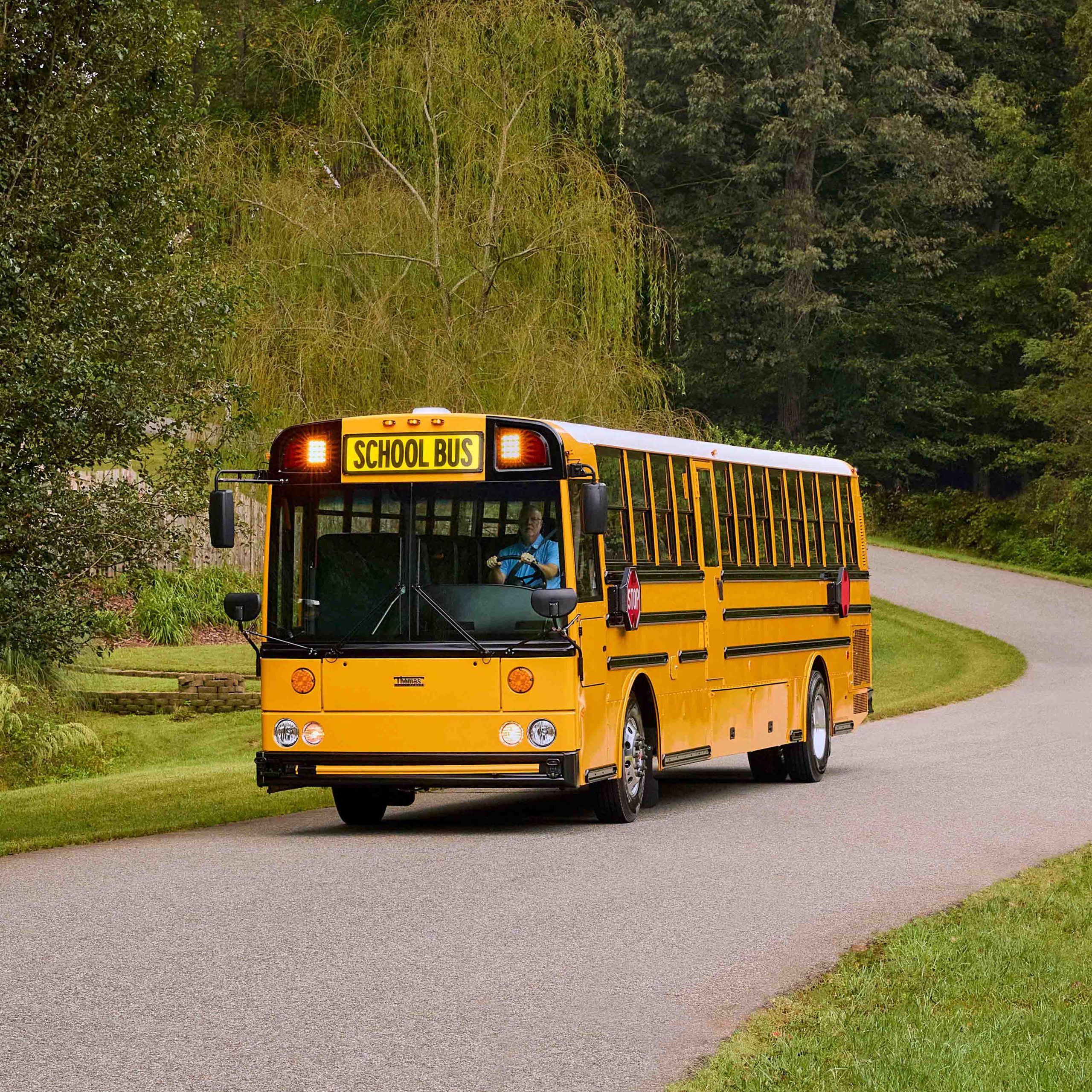
Type A School Buses (Small)
As the smallest units in the school bus lineup, Type A buses are built on a cutaway van chassis and make an excellent choice for daycares, private schools, and churches that need to move small groups without the bulk of a full-size vehicle. Their smaller size makes them easier to maneuver on tight campus roads or narrow residential routes, and their lower operating costs make them a smart pick for organizations working with a smaller budget.
Think shorter routes, smaller headcounts, and a lot more flexibility behind the wheel.
Type C School Buses (Conventional)
This is the bus most people picture when they hear “school bus.” Type C units sit on a flat-front chassis with the hood extended out front, and they’ve become the workhorse of public and private student transportation alike. Versatility is the biggest draw for Type C school buses.
Districts use them for daily routes, private schools rely on them for field trips and activities, and their passenger capacity hits a sweet spot that works for a wide range of programs.
Type D School Buses (Transit Style)
Type D buses carry the most passengers of the three types, and their flat-front, transit-style design means the engine is located either up front or in the rear, depending on the configuration a district chooses. Larger school systems tend to prefer Type D units because they support greater route efficiency, meaning fewer buses cover more students over longer routes.
The added visibility from the flat front and the extra storage underneath make it a solid option for districts running high-volume routes every day.
Not sure which type your organization needs? Reach out, and our team will gladly help you figure out what fits for you.
School Bus Passenger Capacity
Passenger capacity is one of the first aspects to confirm when you’re shopping for a school bus, and it varies more than many buyers expect.
Smaller units, like Type A buses, typically seat about 1 to 2 dozen passengers, making them well-suited for daycare runs or small private school routes.
Mid-size buses bump that number up to approximately 30-50, a range that works well for smaller districts or activity buses running weekend trips.
Full-size buses, on the other hand, can seat many more passengers, with some configurations comfortably accommodating 70+ passengers, depending on seat spacing and layout. A few factors that determine the final capacity include seat width, aisle configuration, wheelchair lifts or securement stations, and even state-specific seating regulations.
Our team can walk you through the exact capacity of any unit in our inventory before you commit to a purchase.
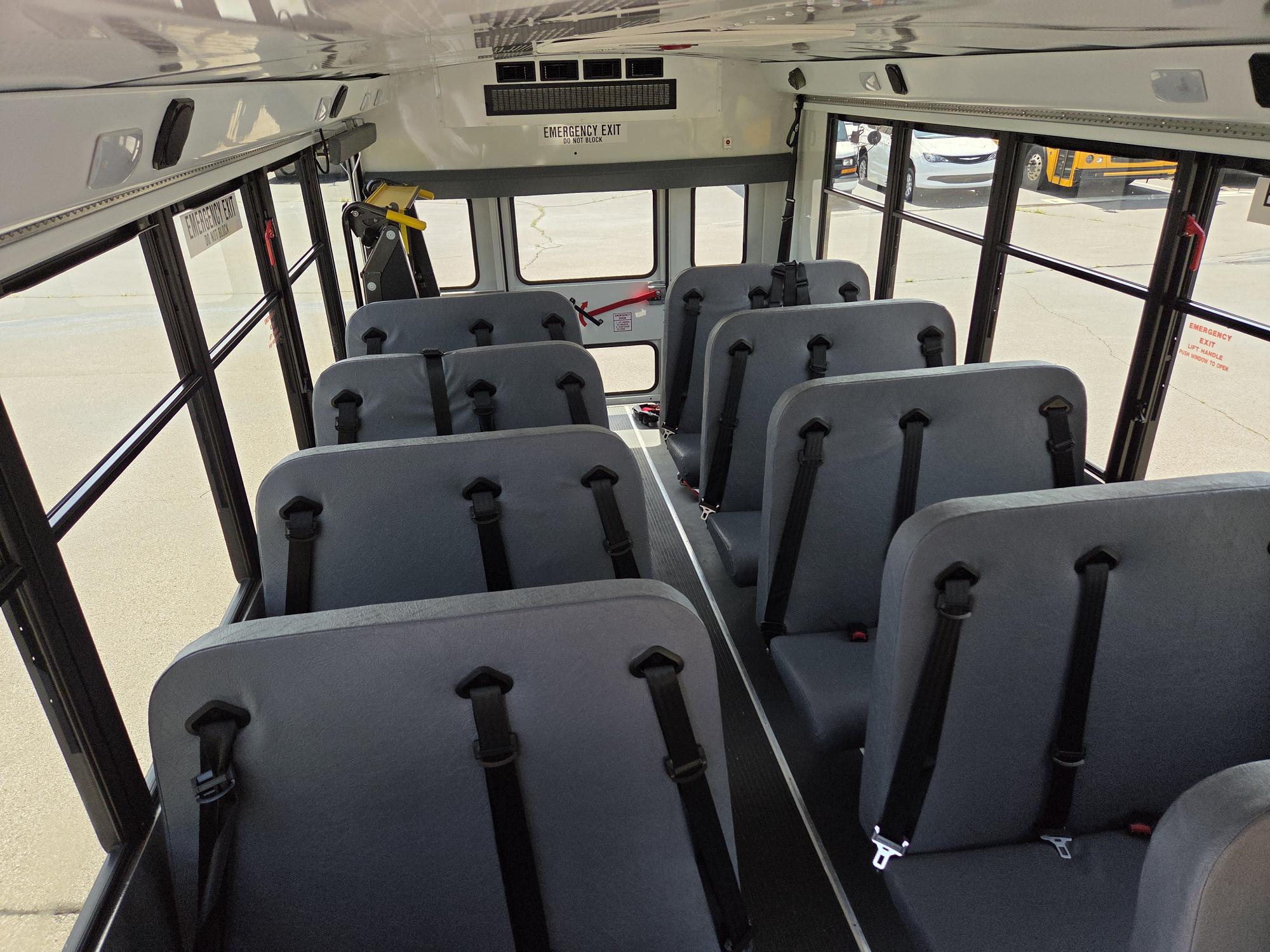

Passenger Seating Capacity
Select seating that matches daily routes and group sizes. We offer compact Type A units through high-capacity buses for district fleets.

CDL vs. Non-CDL Operation
Choose CDL models for larger capacities that require licensed drivers or non-CDL buses that allow more staff to operate legally.

Safety and Supervision
Look for FMVSS-certified three-point belts, wide aisles, and DOT visibility packages that support safer student oversight.

ADA and Accessibility Options
We offer lift-equipped buses, securement systems, and layouts that support riders with mobility needs across all program types.

Fuel and Powertrain Choices
Choose from gas, diesel, or electric options to match your route lengths, terrain, fuel access, and long-term fleet goals.

Durability and Maintenance Requirements
Consider construction quality, warranty coverage, and parts availability to minimize downtime and reduce the total cost of ownership over the vehicle's lifespan.
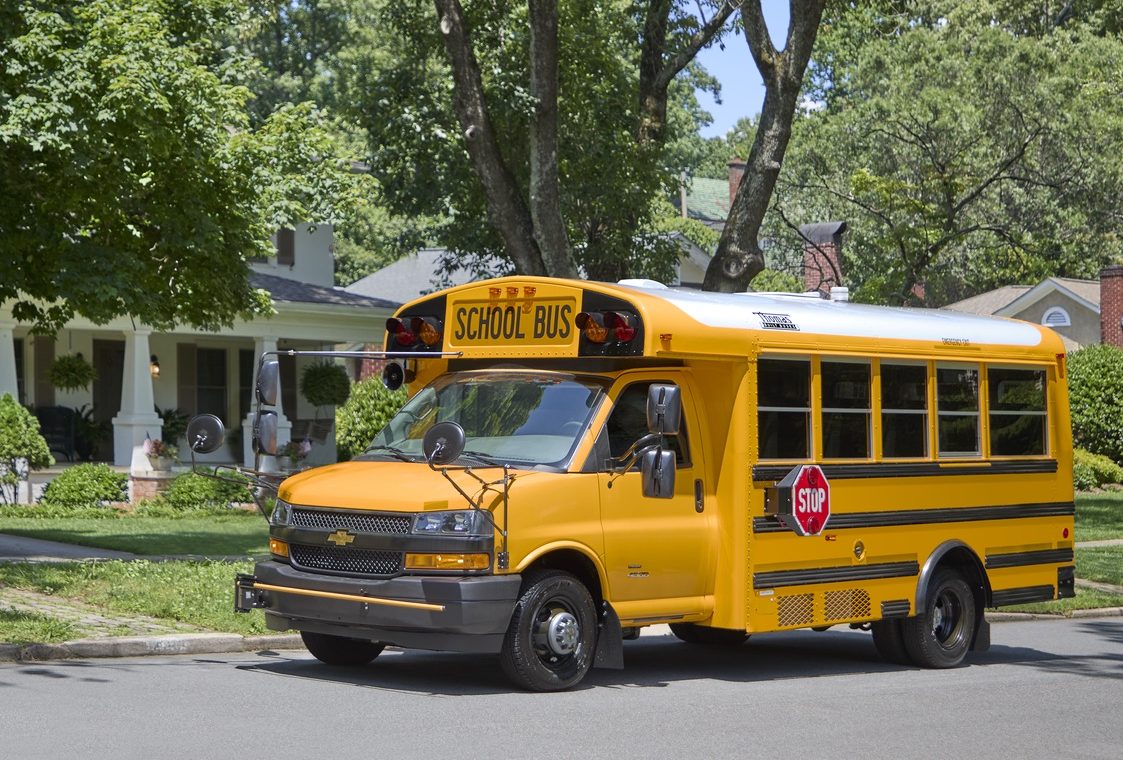
Small School Buses (Type A)
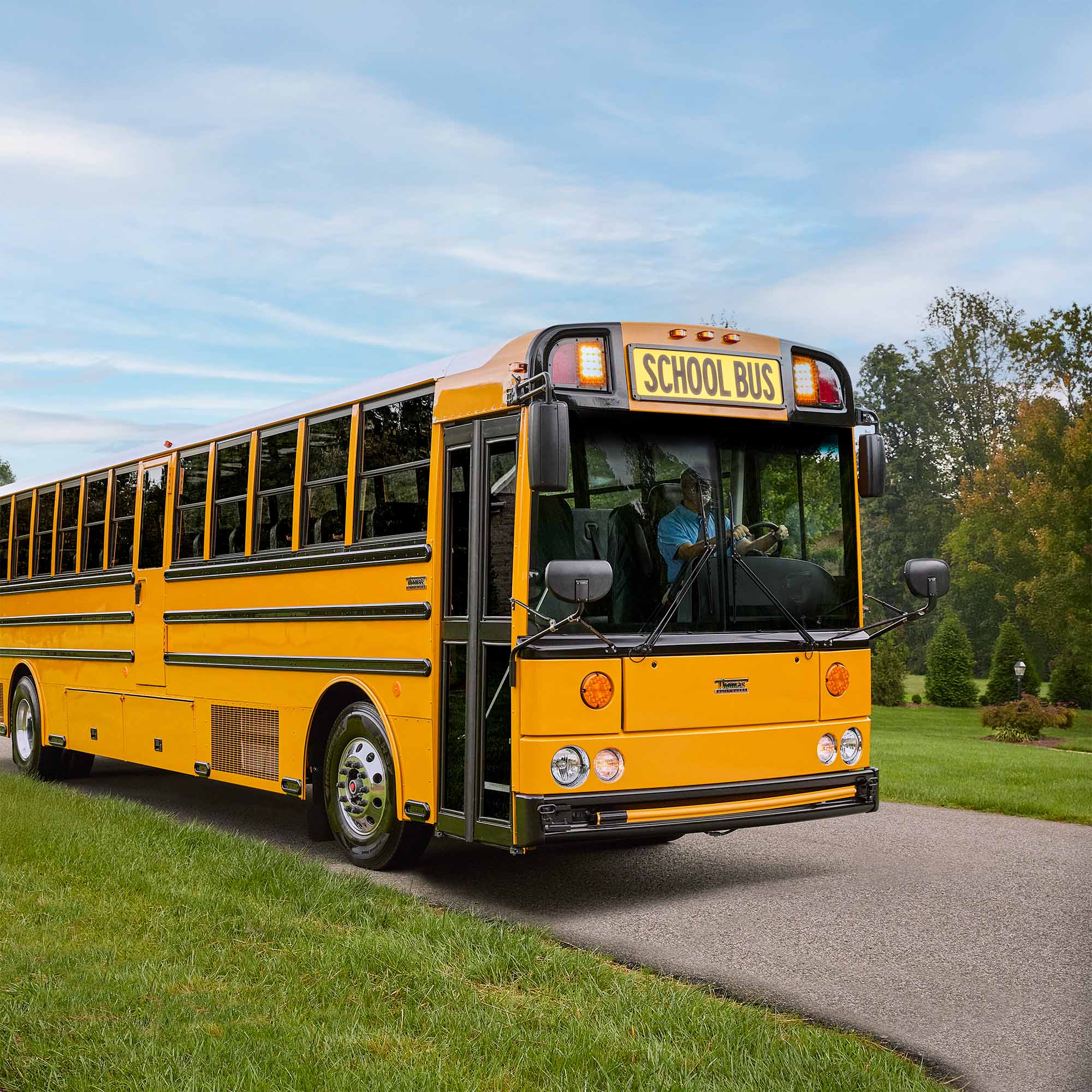
Full-Size School Buses (Type C / Type D)
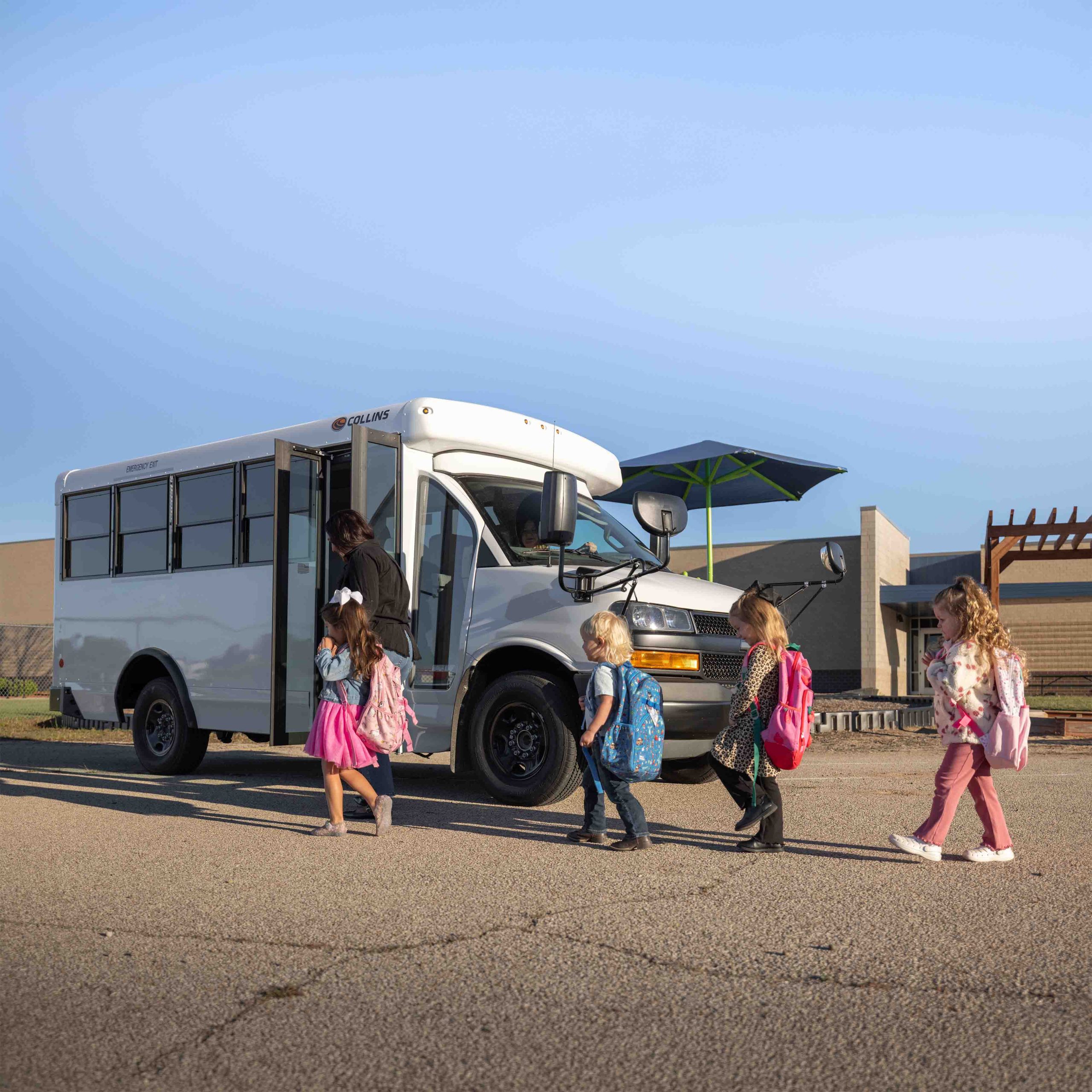
Activity / MFSAB Buses
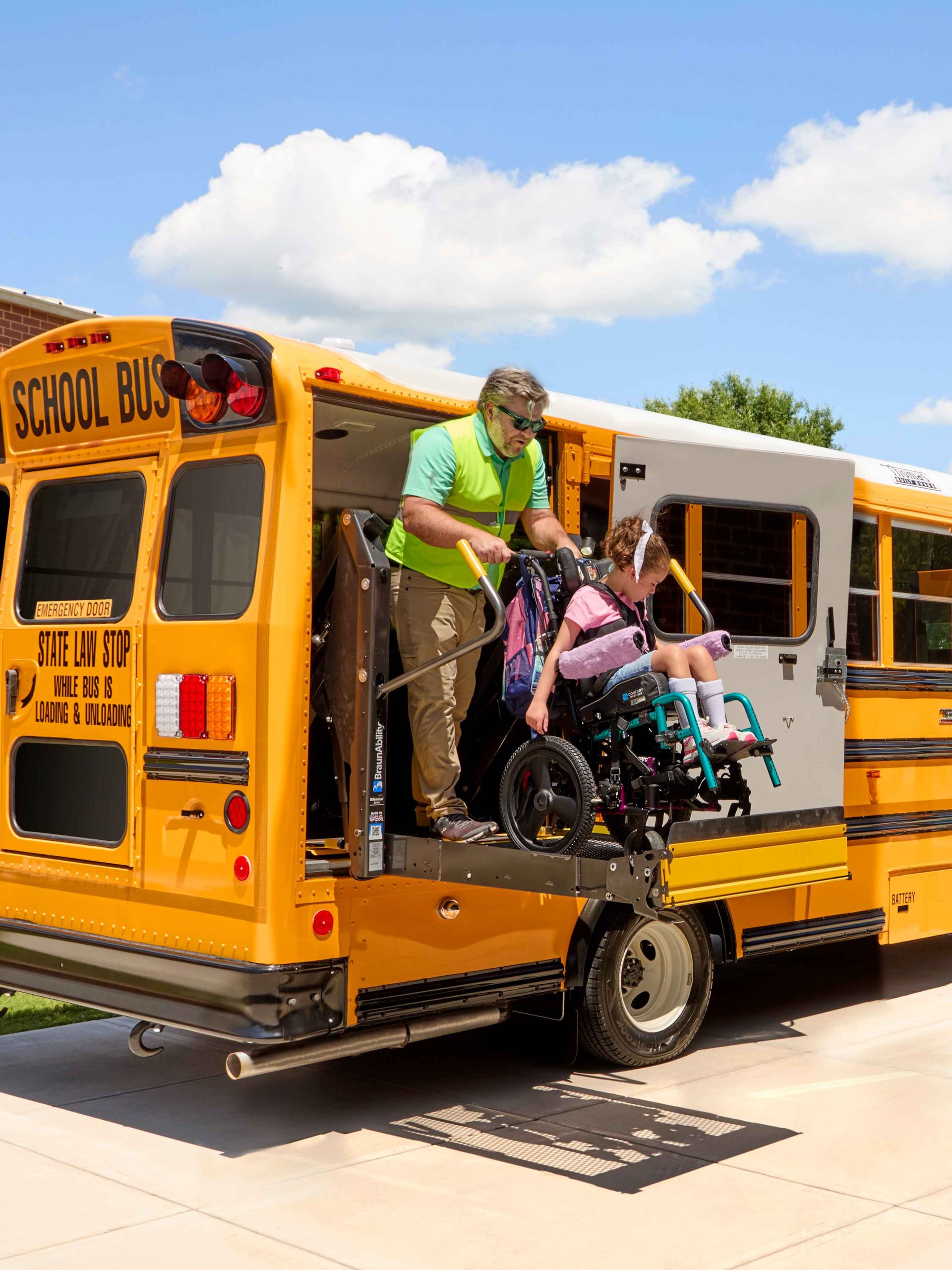
ADA & Mobility School Buses
Platinum Support Dealer
Your Experts on Thomas Built Buses
As a certified Thomas Built Buses dealer, The Bus Center connects you to an OEM network known for quality, efficiency, and long-term fleet reliability.
Working with a certified team streamlines repairs, reduces costs, and ensures fast communication so your buses stay ready with less downtime.
Flexible Financing Options
Flexible programs help districts and private schools align bus purchases with annual budgets and long-term planning.

Maintain Your New School Bus
We track warranty schedules and keep DOT and ADA inspection records compliant, so your fleet stays safe and up to date.

Order Parts Fast
Our specialists source OEM components quickly to keep your buses dependable and reduce downtime for your team.

Shop for a School Bus
Talk with Our School Bus Experts
Share your transportation goals, and our team will walk you through models, features, and customization options to help you make the right choice.
Note: Michigan school districts and public agencies should contact Hoekstra Transportation for school bus purchases.
What type of school bus do I need?
The type of school bus you need depends on your passenger count, route length, and the type of institution you’re running. Type A buses work well for daycares and small private schools, Type C buses cover most public and private district routes, and Type D buses handle larger districts with high-capacity needs. Contact our sales specialists for help matching your fleet requirements to the right unit.
How many passengers can a school bus hold?
School bus capacity depends on the bus type, seating configuration, and intended use. Smaller units seat around 1 to 2 dozen passengers, while full-size buses can seat 70+ passengers, depending on layout and state seating regulations.
Should I buy a new or used school bus?
Whether you should buy a new or used school bus depends on your budget, warranty needs, and whether (or how) you plan to grow your fleet. New buses offer the latest safety features and full warranty coverage, while used buses, which are all inspected by The Bus Center, offer a lower upfront cost and faster fleet expansion.
Are wheelchair accessible school buses available?
Yes, the Bus Center offers ADA-compliant configurations with wheelchair lifts, securement systems, and flexible seating built for students and passengers with mobility needs.
What should I consider before buying a school bus?
Before buying a school bus, you should consider passenger capacity, route length, accessibility requirements, maintenance history, and price; each play a significant role. Our team would be glad to walk through each factor with you to help you decide what type of school bus would best meet your needs.